Right off the bat, we know that climate change is real and that it continues to impact communities like ours right across Canada. From wildfires to tornadoes to floods, rural communities have been on the frontline of dealing with climate impacts while also trying to provide regular services to their residents. Personally, I think back to the 2017 and 2019 flood that severely impacted several areas of our Township (especially Rhoddy’s Bay). Through conversations while sandbagging with other volunteers at Red Pine Bay (before the military came in to assist), I had lots of conversations about the impacts that people were seeing – the number of pumps running to empty their basements, the height of sandbag walls around their homes along the Ottawa River, and the genuine worry in people’s eyes. Thankfully, we did not have any loss of life due to the 2017 or 2019 floods but the level of property damage cannot be underestimated. While questions have lingered in the community about the cause of these floods, it is clear that we had two “once in a century” floods within the span of a couple of years.
The way that I approach climate action at the municipal level is that we must always be prepared for the worst while also working to mitigate our impacts on the environment and potential harms as much as we can. After the 2019 flood, Council created a Weather Emergency Reserve to make sure that we have funds set aside to activate emergency response quickly upon a provincial or local declaration. This was a responsible first step but we must also begin to incorporate an adaptation lens to all that we do in terms of infrastructure. We need to build buildings that are energy efficient and can withstand natural disasters that may impact them. Investing in our infrastructure assets is one of the best investments that we can make for future generations but we also need to be practical and balanced so that we are not focussed on the cosmetic details but rather than structural integrity and longevity. One area where we do need to see more work is both at the Township and County levels to make sure that we can have climate mitigation and adaptation strategies in place for the entire region. As Mayor, this would be a priority at both Council to make sure that we are proactively engaging and prepared with all municipal partners and stakeholders before an natural emergency happens.
Finally, climate action must also take place with regard to the waste that we collectively produce. Finding green solutions to waste management is a challenge that we must face in the next election. Regarding the proposed pyrolysis plant, I do not believe that it would be in the best interest of McNab/Braeside now or at any time in the future. The technology is still in its demonstration phases with one key process not functional at the Chester, NS plant and the financial risks of the project are significant (i.e. shortened landfill life due to storing synthesized chemical char material residue from other municipalities’ waste). Since incinerator-type processes (incineration, pyrolysis, gasification, thermal conversion, etc.) do not meet the Township’s needs and expectations, the incoming Council must work to study and implement greener solutions that divert waste from landfilling while also protecting public health, the environment and the financial integrity of the Township. As Mayor, I would work with Council and the community to develop a collaborative Sustainable Waste Management Strategy that looks at the science and other communities’ best practices to see where we should go. This would be an open process for local residents and community groups like McNab/Braeside Alliance for a Clean Environment (MB-ACE) to be active participants in. Whether we are talking about backyard composting, diverting usable items for resident trades or enhanced waste streaming, there are possible solutions that could be adopted by the community and implemented by the Township. We can always do better to address the impacts of waste management and that work will also mean studying our current and old landfill to determine their current condition and how we can work to maintain them in a good state.
You can read the Arnprior Chroncile-Guide article at https://www.insideottawavalley.com/news-story/10739942-arnprior-township-candidates-offer-views-on-climate-crisis/?fbclid=IwAR0k3aJgvqgrKkvF1Zg_7Io3LRBtkFG5TcYQQxkvlY_ZBpVUqhvJbj4MmNg.
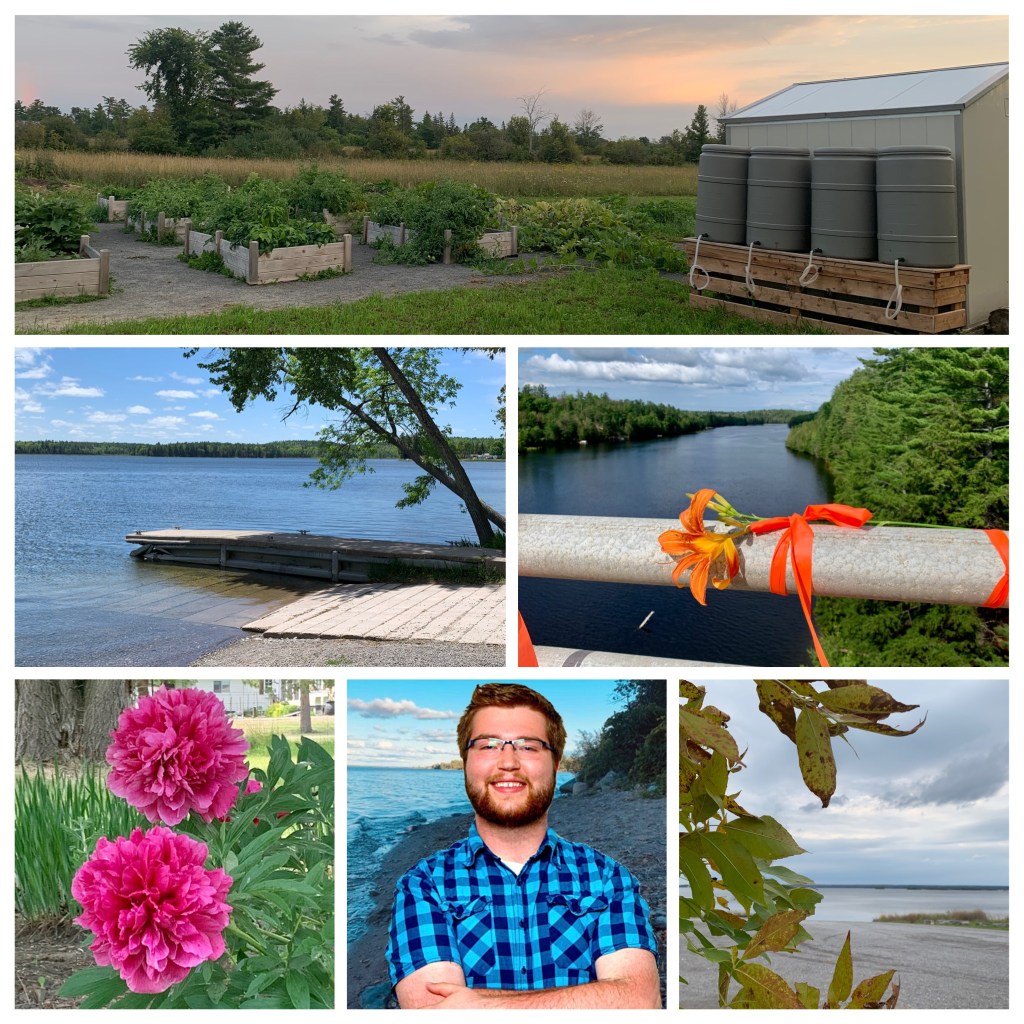
 Oliver Jacob for McNab/Braeside